
Beginner Tips for Composting at Home: A Simple Guide
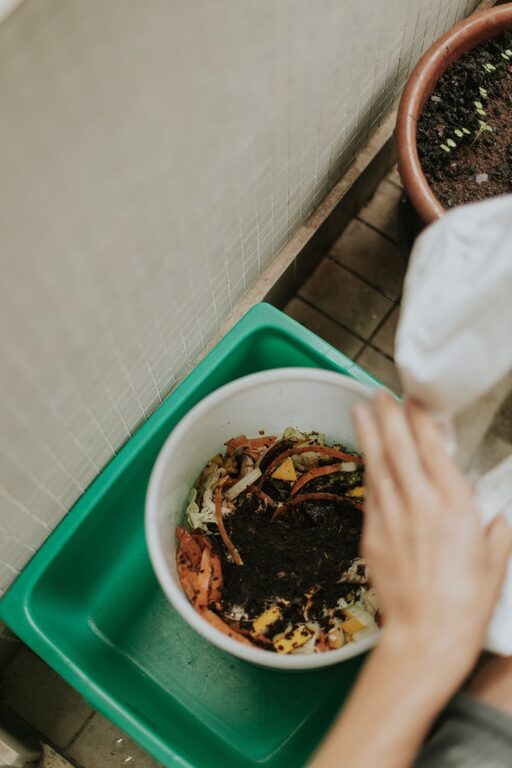
Composting at home is a fantastic way to reduce household waste while creating nutrient-rich soil for your garden. Whether you have a large backyard or just a small balcony, composting can be tailored to fit your space and lifestyle. If you’re new to composting, this beginner’s guide offers simple and practical tips to help you get started with confidence.
What is Composting?
Composting is the natural process of recycling organic matter, such as food scraps and yard waste, into a dark, fertile soil amendment called compost. This process involves the decomposition of organic materials by microorganisms, turning what would be waste into something valuable.
Why Compost at Home?
– Reduce Waste: Composting diverts food scraps and garden waste from landfills, reducing methane emissions.
– Improve Soil: Compost enriches garden soil with nutrients and improves soil structure.
– Save Money: By creating your own fertilizer, you can reduce the need to buy commercial products.
– Support Sustainability: Composting supports an eco-friendly lifestyle and reduces your carbon footprint.
Getting Started: Basic Composting Tips
1. Choose the Right Composting Method
There are several composting options for beginners:
– Traditional Compost Bin: A simple bin in your yard where you pile or layer materials.
– Compost Tumbler: A rotating container that makes mixing and aerating easier.
– Vermicomposting: Using worms to break down food scraps, suitable for small spaces.
– Bokashi Composting: Fermentation of food waste in an airtight container, faster and less smelly.
Choose the method that fits your space, schedule, and composting goals.
2. Pick a Suitable Location
Place your compost bin or area in a well-drained spot with good airflow. A shaded location is ideal to prevent the compost from drying out too quickly, but it should have partial sunlight to keep things warm enough for decomposition.
3. Understand What to Compost
Not all materials are compostable or recommended. Here’s a quick guide:
Greens (Nitrogen-rich materials):
– Fruit and vegetable scraps
– Coffee grounds and filters
– Fresh grass clippings
– Green leaves
Browns (Carbon-rich materials):
– Dry leaves
– Straw or hay
– Shredded paper and cardboard
– Wood chips or sawdust (untreated)
What to Avoid:
– Meat, dairy, and oily foods (can attract pests)
– Diseased plants
– Pet waste
– Synthetic chemicals or treated wood
4. Maintain the Right Balance
Composting works best with a balanced mix of greens and browns, roughly in a 1:3 ratio. Greens provide nitrogen for microbes, while browns supply carbon and help with aeration.
5. Keep It Moist but Not Soaked
Your compost pile should feel like a wrung-out sponge: moist but not soggy. Too dry and decomposition slows; too wet and it may smell.
6. Turn or Aerate the Pile Regularly
Turning the compost every couple of weeks introduces oxygen, which is vital for the microorganisms breaking down the material. If using a compost tumbler, rotate it according to the manufacturer’s instructions.
7. Be Patient
Composting takes time—anywhere from a few weeks to several months. The process speeds up with good balance, moisture, and aeration but remember it’s natural and gradual.
Troubleshooting Common Compost Problems
– Bad Odor: Usually caused by excess moisture or too many greens. Add more brown materials and turn the pile.
– Pile Not Heating Up: May lack nitrogen—add more green materials; also ensure pile size is adequate (at least one cubic yard).
– Pests: Avoid meat and oily foods, keep the bin secure, and cover fresh scraps with browns.
– Slow Decomposition: Check moisture, aerate more, and chop materials into smaller pieces.
Using Your Finished Compost
After a few months, your compost will look dark, crumbly, and earthy-smelling. It’s ready to use!
– Mix it into garden beds to improve soil fertility.
– Use as mulch around plants to retain moisture.
– Add it to potting mixes to boost plant growth.
– Use in lawn care to enrich soil naturally.
Composting Tips for Apartment Dwellers
Even without a yard, you can compost:
– Use a vermicomposting bin with red worms indoors.
– Try bokashi bins for fermenting food waste in the kitchen.
– Participate in community composting programs.
Final Thoughts
Starting to compost at home is a rewarding and sustainable choice. With some basic knowledge and patience, you can turn everyday kitchen scraps and yard waste into a resource that benefits your plants and the planet. Remember to start small, stay consistent, and enjoy the process of giving new life to organic materials!
Happy composting!
