
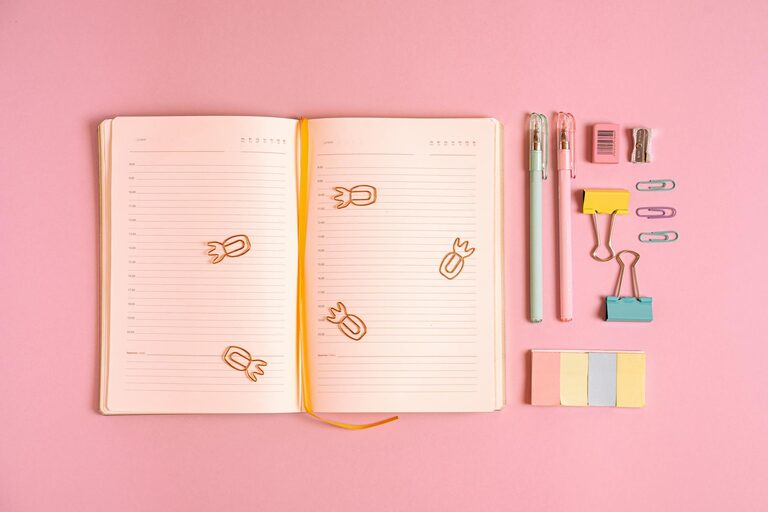
Beginner Guide to Bullet Journaling: Organize Your Life Creatively
Bullet journaling has become a popular and flexible way to stay organized, set goals, and reflect on daily life. Whether you’re someone who loves to journal or just looking for an efficient planning method, bullet journaling can be tailored to fit your unique needs. In this beginner guide, we’ll explore what bullet journaling is, how to start one, and tips to keep your journal both useful and enjoyable.
What Is Bullet Journaling?
Bullet journaling, often called “BuJo,” is a method of personal organization created by Ryder Carroll. It blends traditional to-do lists, calendars, and diaries into one simple, customizable system. The main idea is to use quick symbols or “bullets” to log tasks, events, and notes in a way that keeps everything in one place and easy to navigate.
Unlike pre-printed planners, bullet journals allow you to design your own layouts. This flexibility means you can make it as simple or as decorative as you like.
Why Start a Bullet Journal?
– Boost productivity: Keep track of your tasks and deadlines.
– Stay organized: Combine all your notes, goals, and schedules in one notebook.
– Express creativity: Customize pages with doodles, colors, and layouts.
– Improve mindfulness: Reflect on your progress and habits regularly.
– Reduce stress: Clear your mind by transferring thoughts onto paper.
What You Need to Get Started
Starting a bullet journal requires minimal supplies:
– Notebook: Choose one that feels comfortable. Popular options include dotted or grid notebooks, but plain or lined works too.
– Pen: Use any pen you like, from basic ballpoints to fine liners. Colored pens or markers can add flair.
– Ruler (optional): Helpful for drawing straight lines and creating clean layouts.
– Optional extras: Stickers, washi tapes, or stamps to decorate your pages.
Setting Up Your First Bullet Journal
Here’s a step-by-step guide to create the basic structure.
1. Create an Index
At the beginning of your notebook, dedicate a few pages to the index. This helps you quickly locate collections, trackers, or important entries by page number. As you add new sections, update your index.
2. Number Your Pages
If your notebook isn’t pre-numbered, number the pages yourself. This helps keep track of your index and makes navigation easier.
3. Design Your Key
Create a small legend of symbols you will use. Common bullets include:
– ● Task
– ○ Event
– – Note
– × Completed task
– > Migrated task (moved forward)
– < Scheduled task (moved to calendar)
Feel free to adapt or add symbols to fit your system.
4. Set Up a Future Log
The future log is a place to note important dates, goals, and events that will happen in the coming months. Divide 2 or 4 pages into sections for each month to mark deadlines, birthdays, or appointments.
5. Monthly Log
At the start of each month, create a monthly log. This typically has a calendar-style or list view of the month’s days and important events or tasks.
6. Daily Logs
Daily logs are where you write tasks, events, and notes for each day. You don’t have to plan the entire month at once—just start a new daily log when needed.
Tips for Using Your Bullet Journal Effectively
Keep It Simple
Avoid feeling pressured to create perfect or complicated spreads. The beauty of bullet journaling is in its adaptability. Start with just the basics and build from there.
Customize as You Go
Experiment with different layouts—habit trackers, gratitude logs, mood trackers, or budget sheets. Add what works for your goals and lifestyle.
Review and Reflect
Set aside time each week or month to review your journal. Migrate incomplete tasks, celebrate accomplishments, and adjust your system as needed.
Use Colors and Decorations Sparingly
Colors and decorations can make your journal inviting, but don’t let them overwhelm functionality. Stick to what motivates you.
Make It a Habit
Try to spend a few minutes each day updating your journal. Incorporating it into your routine increases its effectiveness.
Popular Bullet Journal Collections to Try
– Habit tracker: Monitor habits like exercise, water intake, or reading.
– Mood tracker: Log your mood daily to identify patterns.
– Gratitude log: Write down things you’re thankful for.
– Budget tracker: Keep records of income, expenses, and savings.
– Goals list: Break down goals into actionable steps.
– Brain dump: Clear your mind by writing random thoughts or ideas.
Common Mistakes Beginners Make
– Overcomplicating layouts too soon.
– Skipping the index, which makes finding pages harder.
– Forgetting to migrate tasks, so incomplete items get lost.
– Letting perfect handwriting or artwork block progress.
– Trying to plan too far in advance.
Remember, a bullet journal serves you. Adapt it until it fits your needs comfortably.
Final Thoughts
Bullet journaling is more than just a planner—it’s a creative tool that helps you stay organized and mindful. Whether you want to boost productivity or cultivate a new hobby, starting a bullet journal can be a rewarding experience.
Begin with a simple notebook and basic logs, then gradually add collections and styles that inspire you. With practice, your bullet journal will evolve into a personalized system that keeps your life on track and sparks your creativity.
Happy journaling!
