
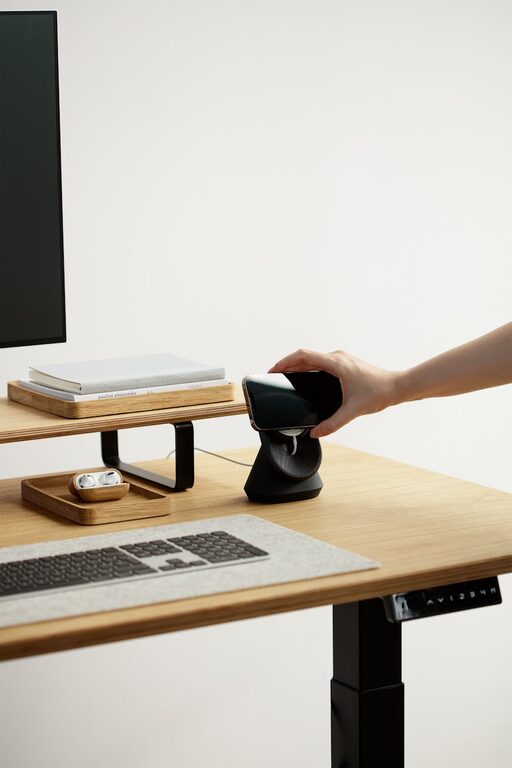
How to Create a Relaxing Home Workspace for Better Productivity
Creating a relaxing home workspace is essential for anyone working remotely or spending significant time at a desk. A well-designed environment not only improves productivity but also helps reduce stress and maintain a healthy work-life balance. Whether you have a dedicated home office or a small corner in your living room, establishing a calming workspace can make a big difference in your daily routine.
In this post, we’ll walk you through practical tips and ideas to create a workspace that feels inviting, helps you focus, and supports your well-being.
Why a Relaxing Workspace Matters
Before diving into the how-to, let’s understand why a relaxing workspace is important:
– Improves focus: A clutter-free, calming environment helps you concentrate better.
– Reduces stress: Soothing colors, comfortable furniture, and natural elements can lower anxiety.
– Boosts creativity: An inspiring space encourages innovative thinking.
– Supports health: Proper ergonomics prevent discomfort and injury during long work hours.
Step 1: Choose the Right Location
The first step in setting up your workspace is selecting an ideal spot.
Consider natural light
Natural light positively affects mood and energy levels. Place your desk near a window if possible, but avoid glare on your screen.
Minimize distractions
Pick a quiet area away from high-traffic zones in your home to help maintain focus.
Use available space wisely
If space is limited, consider multi-functional furniture or a corner desk to maximize area without feeling cramped.
Step 2: Invest in Comfortable and Functional Furniture
The right furniture makes a big impact on your comfort and productivity.
Ergonomic chair
Choose a chair with adjustable height, lumbar support, and comfortable padding to protect your back.
Supportive desk
Select a desk at the right height to avoid strain on your wrists and shoulders. Standing desks or adjustable models are great options for variety.
Storage solutions
Incorporate shelves, drawers, or organizers to keep supplies tidy and accessible, reducing clutter.
Step 3: Create a Soothing Color Scheme
Colors influence mood and behavior. For a relaxing workspace:
– Opt for soft, neutral colors like light blues, greens, or grays.
– Avoid overly bright or harsh tones that may cause eye strain or restlessness.
– Use accent colors sparingly to add personality without distraction.
Step 4: Add Natural Elements
Bringing a bit of nature indoors can calm your mind.
– Plants: Add small potted plants or succulents; they improve air quality and provide visual relief.
– Natural materials: Wood, stone, or woven textures in furniture or décor add warmth.
– Views: If possible, position your workspace near a window with a pleasant outdoor view.
Step 5: Manage Lighting Thoughtfully
Proper lighting reduces eye strain and sets a comfortable atmosphere.
– Use a combination of natural light and soft artificial lighting.
– Task lighting like desk lamps with adjustable brightness helps during late hours.
– Avoid harsh overhead lights or flickering bulbs.
Step 6: Personalize Your Space Without Clutter
Personal touches make your space inviting but keep it organized.
– Display a few meaningful photos or artwork.
– Include motivational quotes or inspiring objects.
– Keep personal items minimal to avoid distractions.
Step 7: Introduce Calming Scents and Sounds
Senses affect relaxation; consider subtle ways to enhance yours.
– Use essential oil diffusers or candles with scents like lavender or eucalyptus.
– Play soft background music or ambient sounds to drown out noise and foster concentration.
Step 8: Organize and Declutter Regularly
A neat workspace supports productivity.
– Use cable management tools to keep wires neat.
– Develop habits like clearing your desk at the end of the day.
– Regularly review what you need to keep your space clutter-free.
Step 9: Take Breaks and Move Around
Even the best workspace can’t replace healthy work habits.
– Step away from your desk every hour to stretch or walk.
– Practice deep breathing or short mindfulness exercises to reset your mind.
– Use breaks to refresh rather than checking phones or emails constantly.
—
By following these steps, you can create a relaxing home workspace that supports both your professional needs and personal well-being. Remember, the goal is to build a space where you feel comfortable, inspired, and ready to focus each day. Small changes over time can lead to big improvements in your work experience.
Happy decorating!
