
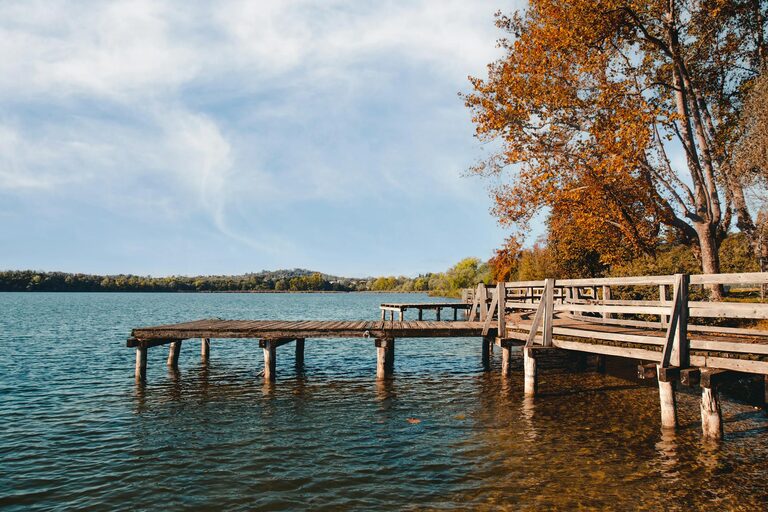
How to Plan a No-Stress Weekend for Ultimate Relaxation
Taking a break from the busy pace of everyday life is essential for maintaining balance and wellbeing. A no-stress weekend can leave you refreshed, energized, and ready to face the new week with a positive mindset. But in our fast-moving world, it’s easy for a weekend to become just as overwhelming as the weekdays. The key is planning your downtime thoughtfully to maximize relaxation and peace of mind. Here’s how to plan a no-stress weekend that works for you.
Why a No-Stress Weekend Matters
Before diving into the planning process, it’s important to understand why a no-stress weekend is beneficial. Stress can accumulate over time and impact your mood, energy, and health. Taking deliberate steps to unwind and reduce stress allows your mind and body to reset. This kind of downtime doesn’t just feel good—it contributes to better sleep, improved focus, and overall happiness.
Step 1: Set Your Weekend Intentions
Start by deciding what a no-stress weekend means to you. Do you want to focus on rest, creativity, spending time with loved ones, or simply doing nothing at all? Clarifying your goals will help you design a weekend that meets your needs rather than filling it with obligations.
Write down your intentions. Examples might include:
– Rest and relax without checking work emails
– Spend quality time outdoors
– Indulge in hobbies or reading
– Connect with friends or family
– Practice mindfulness and self-care
Step 2: Plan Your Schedule with Flexibility
Having a basic structure can reduce decision fatigue, but it’s important not to overschedule. Avoid packing your weekend with appointments or chores. Instead, build in blocks of free time.
Tips for a flexible schedule:
– Block out time for meals, sleep, and some activity
– Include one or two enjoyable planned activities
– Leave room for spontaneity or downtime
– Prioritize a good night’s sleep to recharge fully
For example, your Saturday morning could start with a leisurely breakfast followed by a walk in the park. The afternoon might be free for reading or watching a favorite show. Saturday evening could be a simple dinner with friends or family.
Step 3: Prepare in Advance
One way to reduce weekend stress is taking care of tasks beforehand. This includes grocery shopping, meal prep, tidying your living space, or completing urgent errands. When the weekend arrives, your focus should be on enjoyment, not catching up.
Consider preparing easy-to-make meals or having healthy snacks available to avoid last-minute cooking stress. If you want to try a new hobby or activity, gather necessary supplies ahead of time.
Step 4: Create a Relaxing Environment
Your surroundings have a big impact on your mood. Make your home a calm, welcoming space to enhance your no-stress vibe.
Ways to create a relaxing environment:
– Declutter common areas for a cleaner look
– Use soft lighting, candles, or essential oils
– Play gentle music or nature sounds
– Have cozy blankets or cushions available
– Set your phone on ‘Do Not Disturb’ or limit screen time
Small touches like these can transform your space into a peaceful retreat.
Step 5: Incorporate Mindfulness and Self-Care
Mindfulness activities help you stay present and reduce anxiety. Consider incorporating simple practices throughout your weekend to maintain calm.
Try these ideas:
– Morning meditation or deep breathing for 5-10 minutes
– Gentle yoga or stretching sessions
– Journaling thoughts or gratitude entries
– Taking a warm bath or skincare routine
– Disconnecting from social media and electronics
Even small moments of self-care can boost your mental clarity and resilience.
Step 6: Make Time for Movement and Nature
Physical activity is a natural stress-reliever, and spending time outdoors can refresh your mind.
Ideas to include movement:
– Go for a walk, hike, or bike ride
– Participate in a dance or fitness class you enjoy
– Practice tai chi or yoga in your garden or living room
– Visit a park or natural spot and soak in the scenery
You don’t need intense workouts. Gentle movement paired with fresh air will increase endorphins and promote relaxation.
Step 7: Connect with Loved Ones
Social connection plays an important role in emotional health. Inviting family or friends to join your weekend can bring joy and support.
Consider:
– Hosting a casual brunch or game night
– Taking a leisurely stroll with someone close
– Calling or video chatting with loved ones if you can’t meet in person
– Sharing a hobby or craft project
Choose activities that feel restful and enjoyable rather than demanding.
Step 8: Reflect and Adjust for the Future
At the end of your no-stress weekend, take a moment to reflect on what worked and what didn’t. Jot down any adjustments you want to make for the next time.
Ask yourself:
– Which activities felt most relaxing?
– Did you experience any stress? When and why?
– Were there any distractions or obligations that interfered?
– How can you improve your planning next time?
Keeping a simple weekend journal can help you build better habits and enjoy your downtime more fully.
—
Planning a no-stress weekend doesn’t require a major overhaul. By setting clear intentions, preparing ahead, and intentionally pacing yourself, you can create peaceful days to recharge and enjoy life. Remember, taking time for yourself isn’t selfish—it’s essential. Use these tips to design a weekend that leaves you feeling calm, refreshed, and ready for whatever comes next. Happy relaxing!
